Second Melbourne RSL Fire: Glen Waverley Blaze Raises Alarm
Melbourne is once again grappling with the aftermath of a devastating blaze at one of its beloved Returned and Services League (RSL) clubs. In a concerning incident that unfolded early this morning, the Waverley RSL Sub-Branch in Glen Waverley was extensively damaged by fire, just days after another RSL club in the city's west was completely destroyed. The
Glen Waverley RSL fire has caused major damage with a suspected kitchen origin, prompting a significant emergency response and raising urgent questions about fire safety protocols in vital community hubs.
The incident at the Waverley RSL, located on Coleman Parade in Glen Waverley, saw emergency services inundated with calls around 7:10 AM. What followed was a massive firefighting effort, with more than two dozen fire trucks converging on the scene. The sight of flames engulfing a building so central to the community sent shockwaves through the local area, underscoring the destructive power of uncontrolled fire and its profound impact on cherished institutions.
A Devastating Blaze Engulfs Glen Waverley RSL
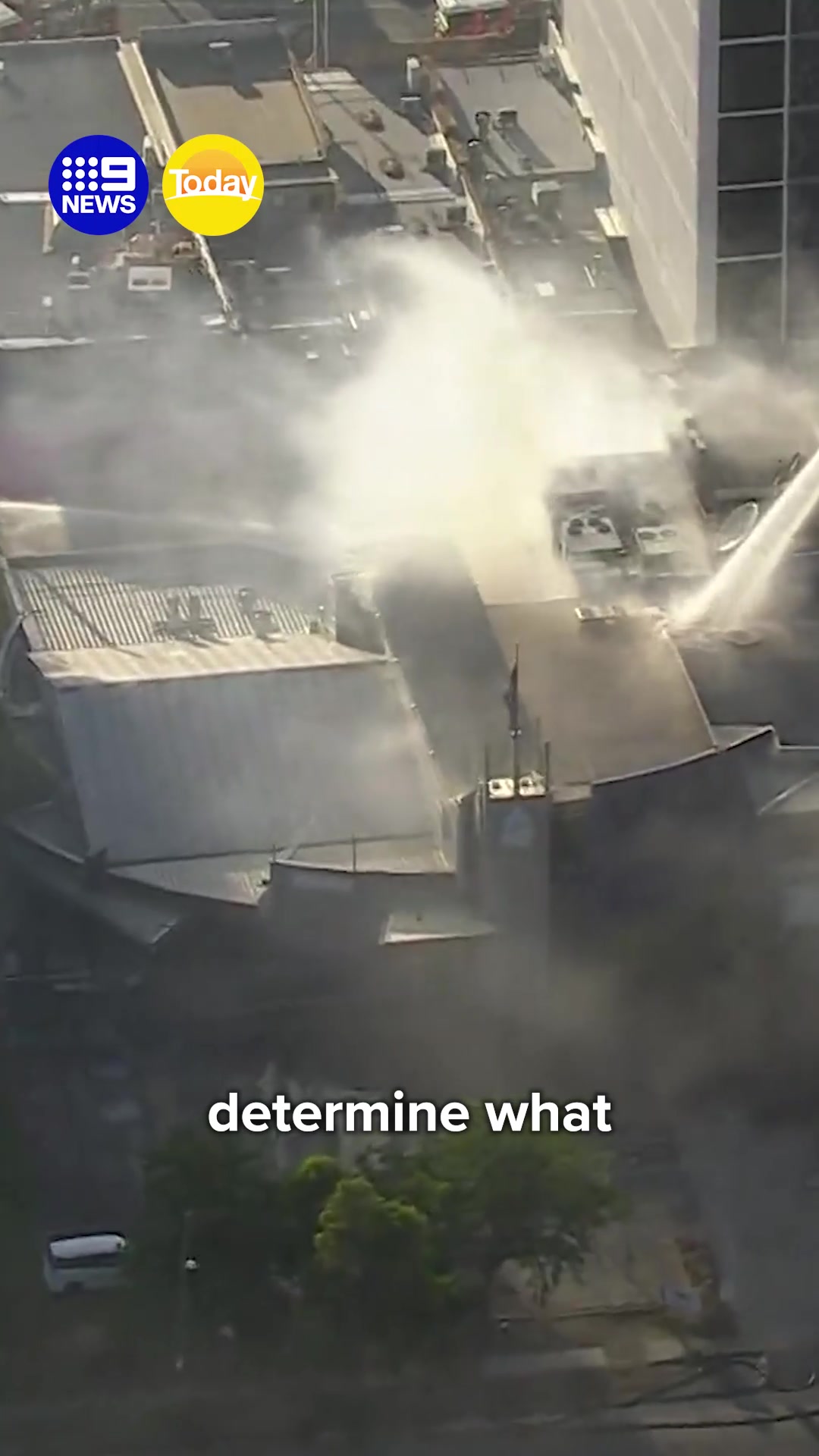
The early morning calm in Glen Waverley was shattered by the alarming sight of fire consuming the Waverley RSL. Firefighters arriving on Coleman Parade were met with a raging inferno, necessitating an immediate and substantial response. Visual evidence from the scene, captured amidst the smoke and chaos, depicted parts of the club’s roof collapsing – a stark indicator of the fire’s intensity and the structural compromise it inflicted. The use of aerial appliances became crucial, allowing crews to attack the flames from above and prevent further spread.
Fortunately, in what can only be described as a silver lining amidst the destruction, police confirmed that the building was unoccupied at the time of the blaze. This crucial detail averted potential injuries or fatalities, providing a small measure of relief for the emergency responders and the wider community. While the immediate danger to human life was mitigated, the extensive physical damage to the club remained undeniable.
Preliminary investigations by Fire Rescue Victoria (FRV) have indicated that the fire may have originated in the kitchen area of the establishment. This initial assessment will undoubtedly guide further forensic examination, as authorities work to piece together the exact sequence of events that led to the devastating inferno. As firefighters battled the blaze for approximately two hours, bringing it under control through intensive efforts, an advisory message was issued to local residents. This warning highlighted the presence of smoke in the air, urging the public to keep roads clear for the continued movement of emergency vehicles. The smoky aftermath spread across parts of the Glen Waverley area, reminding residents of the scale of the incident and prompting concerns about air quality.
Echoes of Another Tragedy: The Broader RSL Fire Crisis
The Glen Waverley RSL fire is not an isolated incident but rather the second significant fire to strike an RSL club in Melbourne within a matter of days. This troubling pattern has understandably amplified concern among local communities and officials alike, shining a spotlight on fire prevention and safety measures in similar establishments.
Just days prior, on Thursday, the Sunshine RSL Sub Branch and its adjoining bowling club in Melbourne’s west were completely razed by fire. Investigations into the Sunshine RSL incident concluded that the cause was spontaneous combustion originating in a clothes dryer that was not even operational at the time. The revelation of two such catastrophic events affecting RSLs in such close proximity has triggered a collective alarm, prompting calls for increased scrutiny into the fire safety resilience of these often-historic buildings.
RSL clubs hold a profound symbolic and practical importance in Australian communities. They serve as vital hubs for veterans, offering camaraderie, support services, and a place to gather and remember. Beyond their role for veterans, many RSLs function as broader community centres, hosting events, providing dining options, and employing local staff. The destruction or extensive damage to these institutions, therefore, represents not just a loss of property but a blow to the social fabric and support networks essential to thousands. The fact that, at this stage, neither the Sunshine nor the Glen Waverley RSL fire is being considered suspicious provides some comfort, yet it also underscores the pervasive and often unpredictable nature of accidental fires.
Beyond the Flames: Community Resilience and Veteran Support
In the wake of the
Waverley RSL devastated by fire, memorabilia saved, support awaits, the focus has quickly shifted from emergency response to community support and future recovery. Waverley RSL President Neil Slaughter articulated the profound sense of loss, stating, "This is devastating for all at Waverley RSL, and all veterans in the local community." His sentiment reflects the deep emotional connection members and staff have with their club, a place of shared history and mutual support.
Despite the extensive damage, a significant positive emerged: the saving of some precious memorabilia. President Slaughter expressed heartfelt gratitude to Fire Rescue Victoria for their understanding of the immense importance of these items to the veteran community. This act highlights the unique value and irreplaceable nature of historical artifacts within RSLs, which often house items of significant military and personal heritage. While a full inspection is awaited to ascertain the total extent of the damage, the preservation of these irreplaceable items offers a flicker of hope amidst the destruction.
RSL Victoria has swiftly stepped in to offer support. Chief Operations Officer Clint Brewster conveyed solidarity from across the RSL network, acknowledging the impact on members of both the Waverley and Sunshine RSLs. RSL Victoria representatives were on-site at Glen Waverley to assist, working collaboratively with the Sub-Branch, the City of Monash, FRV, and Victoria Police. Crucially, immediate provisions have been made to ensure that veteran support services remain accessible. In the interim, veterans typically served by Waverley RSL have been directed to Box Hill RSL Sub-Branch for assistance, underscoring the RSL network's commitment to continuity of care. Furthermore, staff affected by the closure will be supported through RSL Victoria's Employment Assistance Program, demonstrating a holistic approach to recovery. This collective effort showcases the remarkable resilience and unwavering commitment to mutual aid that defines the RSL community, especially in times of crisis.
Proactive Steps: Enhancing Fire Safety in Community Hubs
The recent spate of fires at Melbourne RSL clubs serves as a sobering reminder of the critical importance of robust fire prevention and safety measures, especially in community buildings that house large numbers of people, valuable assets, and irreplaceable historical items. While investigations into the exact causes are ongoing, there are universal best practices that all public and semi-public venues should rigorously adhere to.
1.
Regular and Comprehensive Fire Risk Assessments: Beyond basic inspections, detailed assessments should identify potential hazards, evaluate existing safety systems, and recommend upgrades. This includes kitchen areas, electrical systems, and storage facilities.
2.
Advanced Fire Suppression Systems: For areas like kitchens, which are often sources of ignition, installing state-of-the-art fire suppression systems (e.g., wet chemical systems for commercial kitchens) can be life-savers. Sprinkler systems throughout the building are also vital for rapid containment.
3.
Thorough Electrical Maintenance: Faulty wiring or overloaded circuits are common causes of fires. Regular professional electrical inspections and maintenance are non-negotiable. This extends to appliances like clothes dryers, which, as seen with the Sunshine RSL fire, can pose a risk even when not operational if not properly maintained and cleaned.
4.
Clear and Practiced Emergency Evacuation Plans: All staff should be fully trained in evacuation procedures, and drills should be conducted regularly. Clear signage and unobstructed exits are paramount.
5.
Smoke Alarms and Detection Systems: Up-to-date, interconnected smoke and heat detectors are fundamental for early warning, providing crucial time for evacuation and emergency response.
6.
Safe Storage Practices: Proper storage of flammable materials, waste, and even items like linen (which can be susceptible to spontaneous combustion if stored improperly) can significantly reduce fire risks.
7.
Review of Building Materials: Older buildings, in particular, may contain materials that do not meet current fire safety standards. Where possible, upgrades to fire-resistant materials should be considered.
8.
Community Awareness: Engaging with local fire services for advice and holding awareness sessions can foster a culture of vigilance.
These proactive steps are not merely regulatory checkboxes but essential investments in the safety of people, property, and the irreplaceable heritage that institutions like RSLs represent. The cost of prevention pales in comparison to the devastation wrought by fire.
The
Glen Waverley RSL fire has undoubtedly left a scar on the local landscape and the hearts of its members. However, the resilient spirit of the RSL community, combined with prompt emergency response and robust support networks, offers a clear path towards recovery. As investigations continue and the clean-up begins, the focus remains firmly on rebuilding, ensuring continued support for veterans, and implementing enhanced fire safety measures to protect these invaluable community assets for future generations. The alarm has been raised, and now the collective effort to fortify against future tragedies must intensify.