Devastating Blaze at Glen Waverley RSL: Unpacking the Major Damage and Suspected Kitchen Origin
The Glen Waverley RSL, a beloved cornerstone of the Melbourne community, recently became the scene of a devastating fire, resulting in extensive damage and a significant emergency response. This early morning inferno, which swept through the club on Coleman Parade, has left behind a trail of destruction and a community grappling with the loss of a vital meeting place. While thankfully no one was injured, preliminary investigations point to the kitchen area as the probable origin, raising important questions about fire safety in community venues.
The incident at the Glen Waverley RSL fire marks a somber moment, not just for its members but for the broader network of RSL clubs across Victoria. The speed and intensity of the blaze underscore the critical importance of preparedness and rapid response when such events strike. What began as an ordinary morning quickly escalated into a full-scale emergency, highlighting the unpredictable nature of fires and their profound impact.
Anatomy of the Blaze: Emergency Response and Scale of Destruction
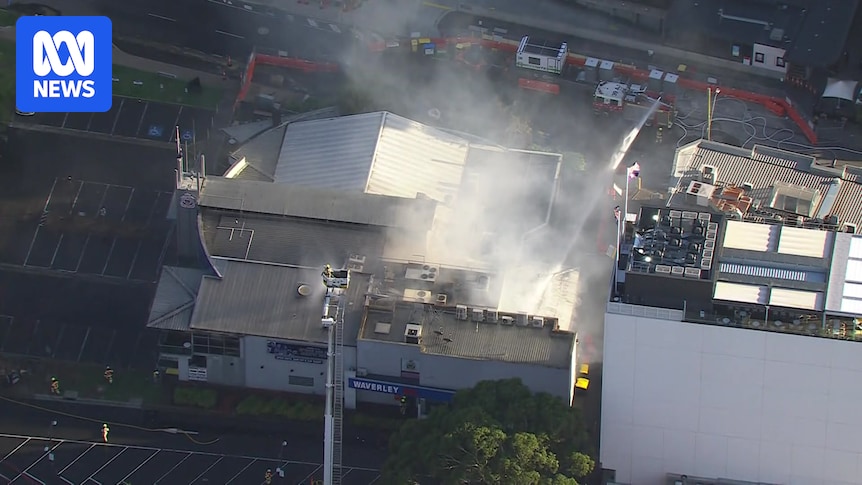
The early hours of the day, specifically around 7:10 AM, saw a flurry of emergency calls flooding into Triple Zero. Residents in the vicinity reported seeing smoke and flames emanating from the Waverley RSL club. This immediate notification triggered a substantial deployment of emergency services, with more than two dozen fire trucks and specialist crews rushing to the scene. Firefighters arriving at the club were met with a raging inferno, requiring swift and decisive action.
The intensity of the glen waverley rsl fire necessitated the use of aerial appliances, with crews battling the flames from above to gain control. Footage from the scene captured the severe impact, revealing alarming sections of the roof that had collapsed under the heat and destruction. This structural compromise illustrated the sheer power of the fire and the extent of the damage inflicted upon the building. Crucially, police confirmed that the club was unoccupied at the time of the fire, a fact that averted what could have been a tragic loss of life or serious injuries. After approximately two hours of intensive and coordinated efforts, firefighters successfully brought the blaze under control, though a lingering blanket of smoke hung heavy over the Glen Waverley area, prompting advisories for local residents.
Community Heartbreak and Resilience: The RSL's Pledge to Members
The news of the fire sent shockwaves through the local community, especially amongst the veterans and members for whom the Waverley RSL is far more than just a building. It's a sanctuary, a place of camaraderie, support, and shared history. Neil Slaughter, President of Waverley RSL, articulated the profound sense of loss, stating, "This is devastating for all at Waverley RSL, and all veterans in the local community." The one silver lining amidst the destruction was the confirmed absence of individuals inside the club, preventing any injuries.
Amidst the despair, there was also a glimmer of hope. Fire Rescue Victoria informed the club that they were able to save some significant memorabilia—items of immense sentimental value to the veteran community. This act of preservation, though partial, was deeply appreciated, as these artifacts represent shared memories and the sacrifices of service members. RSL Victoria and Waverley RSL were quick to reassure their members and the veteran community. Support services are being redirected, with Box Hill RSL Sub-Branch stepping in to assist veterans in the interim. Furthermore, RSL Victoria affirmed its commitment to supporting staff through its Employment Assistance Program, demonstrating a unified front in dealing with the aftermath. For more details on the community's response and the efforts to salvage precious items, you can read our related article: Waverley RSL Devastated by Fire: Memorabilia Saved, Support Awaits.
A Troubling Pattern: Two RSL Fires in Days
Adding to the concern, the glen waverley rsl fire was not an isolated incident. It followed just days after another significant blaze completely destroyed the Sunshine RSL Sub Branch and its adjoining bowling club in Melbourne’s west. While initially alarming to have two such incidents so close together, investigators swiftly determined that the Sunshine RSL fire was caused by spontaneous combustion in a clothes dryer that was not operational. Crucially, RSL Victoria and emergency services have stated that neither of these fires is being considered suspicious at this stage.
This unsettling spate of fires, irrespective of their non-suspicious nature, has understandably raised alarms among community officials and members of similar establishments. It serves as a stark reminder of the ever-present risk of fire and the need for stringent safety measures. The contrasting origins—a suspected kitchen fire at Glen Waverley versus spontaneous combustion in a dryer at Sunshine—highlight the diverse range of potential hazards that can exist within community venues.
Proactive Fire Safety and Prevention for Community Venues
Given the recent events, it's more critical than ever for community clubs, RSLs, and similar establishments to review and bolster their fire safety protocols. The suspected kitchen origin of the Glen Waverley RSL fire, in particular, points to areas requiring heightened vigilance. Here are some key considerations and practical tips:
- Kitchen Safety Audits: Since kitchen areas are often hotbeds of activity and potential hazards, regular, thorough inspections of cooking equipment, ventilation systems, electrical wiring, and gas lines are paramount. Ensure deep fat fryers are properly maintained and cleaned, and consider automatic extinguishing systems above cooking ranges.
- Electrical System Maintenance: Faulty wiring or overloaded circuits can be significant fire risks. Regular professional inspections and maintenance of all electrical systems, including appliances like clothes dryers (as seen in the Sunshine RSL case), are essential. Ensure proper surge protectors are used and avoid overloading power outlets.
- Smoke Detection and Alarm Systems: Functional, regularly tested smoke detectors and fire alarm systems are non-negotiable. These systems should be interconnected and monitored, ensuring that emergency services are alerted immediately, even if the building is unoccupied.
- Fire Extinguishers and Sprinkler Systems: Ensure appropriate types of fire extinguishers are readily accessible and staff are trained in their use. Automatic sprinkler systems can be life-savers, especially in larger or older buildings, containing or even extinguishing fires before emergency services arrive.
- Emergency Exit Planning and Training: Clear, unobstructed emergency exits are crucial. Regular fire drills and comprehensive staff training on evacuation procedures, assembly points, and the use of fire safety equipment can minimize panic and ensure safe evacuation if an incident occurs during operating hours.
- Housekeeping and Storage: Good housekeeping, including the proper storage of flammable materials, rags, and chemicals, can significantly reduce fire risks. Maintain clear pathways and ensure waste bins are emptied regularly.
- Heritage Building Considerations: Older RSL clubs often reside in buildings with unique construction materials or historical elements. These may require specialized fire suppression systems and historical preservation considerations during safety upgrades.
The Road Ahead: Rebuilding and Reinforcing Community Spirit
The journey for the Glen Waverley RSL now turns to recovery and rebuilding. This process will undoubtedly be extensive, involving assessments of structural integrity, insurance claims, and careful planning for reconstruction. It's a testament to the resilience of the RSL community that, even amidst such devastation, the focus immediately shifted to supporting members and ensuring continuity of services. Rebuilding will not just be about bricks and mortar; it will be about restoring a cherished hub, a place where memories are made and history is honored. The outpouring of support from across the RSL network and the broader community will be vital in this endeavor, reinforcing the strong bonds that define these invaluable institutions.
Conclusion
The devastating Glen Waverley RSL fire serves as a stark reminder of the fragility of our community spaces and the ever-present need for vigilance regarding fire safety. While the immediate focus is on understanding the full extent of the damage, supporting affected members, and beginning the arduous process of rebuilding, this incident also provides a critical opportunity for all similar establishments to re-evaluate and enhance their fire prevention strategies. By learning from these unfortunate events and implementing robust safety measures, we can work towards safeguarding these invaluable community pillars for generations to come, ensuring they continue to serve as places of remembrance, support, and fellowship.